 Coaches Portal · Guide
Managing Expectations with Families
Helping families navigate expectations honestly
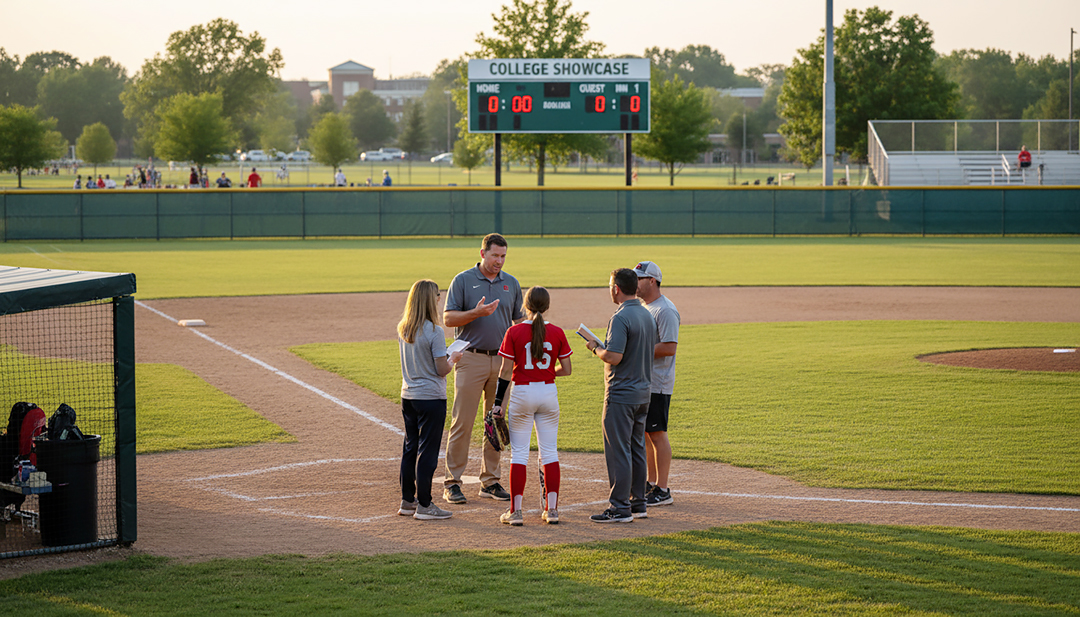
One of the most challenging parts of recruiting isn’t developing athletes — it’s helping families navigate expectations. Parents and players often have ambitious goals but may not fully understand the realities of college recruiting. Coaches play a vital role in guiding families with honesty, professionalism, and empathy.
Why managing expectations matters
- Prevents misunderstandings about scholarship opportunities
- Keeps athletes motivated without creating unrealistic pressure
- Builds trust between the coach, athlete, and parents
- Helps families focus on the right fit — not just the “biggest name”
Common family misconceptions
Name them directly — and replace each with the reality.
“My athlete will get a full ride.”
Full athletic scholarships are rare in softball. Most offers are partial.
“Division I is the only level worth pursuing.”
Great opportunities exist at DII, DIII, NAIA, and JUCO levels.
“Coaches will find us if we’re good enough.”
Exposure and proactive communication are key — the athlete has to initiate.
“Scholarships cover all expenses.”
Families must budget for travel, housing, meals, books, and fees.
Best practices for managing expectations
Be transparent about opportunities
- Share honest assessments of the athlete’s skill level
- Explain how scholarship limits work in softball (partial vs. full rides)
- Emphasize that academics open more doors than athletics alone
Provide clear recruiting education
- Walk families through the recruiting timeline year by year
- Share resources: NCAA rules, eligibility info, and scholarship breakdowns
- Encourage families to use tools like recruiting profiles and videos
Encourage broader school searches
- Urge families to consider multiple divisions and programs
- Highlight smaller schools where athletes may get more playing time and academic support
- Remind them the goal is the best overall fit: academic, athletic, financial, and personal
Communicate regularly
- Schedule family meetings at the start of each season
- Provide updates on recruiting progress, showcases, and realistic next steps
- Keep the tone supportive, not discouraging — frame guidance as opportunity-focused
Handling difficult conversations
Stay professional
Keep discussions fact-based, not emotional.
Use data
Share stats, rankings, and showcase feedback to back up your assessments.
Highlight strengths
Balance realism with positives — families are more receptive when they hear encouragement alongside constructive feedback.
Set milestones
Help families focus on short-term, achievable goals rather than distant promises.
Do’s & don’ts for coaches
Do
- Be honest but encouraging
- Emphasize long-term development and growth
- Celebrate academic and athletic progress equally
- Share examples of successful athletes at all levels
Don’t
- Overpromise scholarships or recruiting outcomes
- Dismiss parents’ concerns without explanation
- Compare athletes unfairly within the team
- Avoid the conversation — silence often fuels unrealistic expectations
The final takeaway
Families want what’s best for their athlete, but they often need coaches to provide perspective and clarity. By setting realistic expectations early, providing education, and keeping communication open, you help athletes stay focused, confident, and prepared for the right opportunities.